
ST. Patrick’s Day means not much more than green beer and drunken reveling for many today, but in late-19th century America it was — believe it or not — a day to honor moderation and total abstinence from alcohol.
In the Philadelphia St. Patrick’s Day parade of 1875, some 10,000 people marched and “the majority parading walked with the thirty-nine marching units of the [Catholic] Total Abstinence Brotherhood, an organization with strong religious backing and a missionary zeal for temperance crusading.,” according to Dennis Clark.
It was after the Civil War that parades of all kinds became a sort of national craze. Veterans of the conflict turned out and, in Philadelphia, General St. Clair Mulholland and other heroes of the war stepped smartly along on St. Patrick’s Day each year. Temperance organizations became a big component of the March 17th parades from 1870 through the turn of the century.
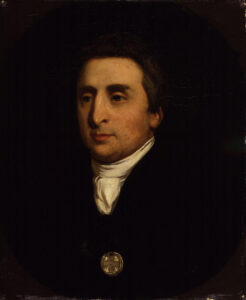
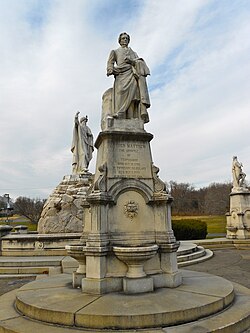
Father Matthew of County Tyrone (above) was the popular founder in Ireland of organized temperance earlier in the century. It spread to this country with the creation of state groups and then the national Brotherhood in 1871. On July 4, 1876, the Catholic Total Abstinence Centennial Fountain was dedicated in Fairmount Park, Philadelphia, featuring a marble statue of of Fr. Matthew.
From the May 1887 edition of Catholic World:
The saloon has fastened itself upon society as an ulcer living upon the life-blood of the people. The saloon, building itself upon the ruin of broken lives and shattered homes, spreads desolation every where, respecting no class or sex. The union recalls the countless boys ruined, the fathers changed into destroyers of their little ones, the industry paralyzed, the prisons filled, and it asks each saloon how much of this is its work. It calls on the law to place about the saloon such reasonable restrictions as will remove as far as possible the evils that spring up from it. It demands the enforcement of those laws for the protection of home. The arrogance of the saloon and the power it wields in political affairs, all for its own interests and against those of society, have awakened a stronger interest in the cause of total abstinence organized on Catholic principles.
The union did not publicly lobby for Prohibition, but it passed a resolution stating, “That this convention, though not deeming it expedient to take part in any political of legislative action in reference to prohibitory liquor laws, recognizes, however, the great good that would accrue from the suppression of public drinking-places, and from such legislation as would restrain the manufacture of intoxicating liquors within the bounds consistent with public morality, and will gladly hail such legislation whenever the proper authorities may grant it.”
The abstinence brotherhood disbanded sometime in the 20th century. The “arrogance of the saloon,” the unrestrained love of alcohol and the intense misery it often causes remain strong as ever. St. Patrick’s Day means green beer.
It was there that the Lord opened up my awareness of my lack of faith. Even though it came about late, I recognised my failings. So I turned with all my heart to the Lord my God, and he looked down on my lowliness and had mercy on my youthful ignorance. He guarded me before I knew him, and before I came to wisdom and could distinguish between good and evil. He protected me and consoled me as a father does for his son.
— St. Patrick


