KYLE writes:
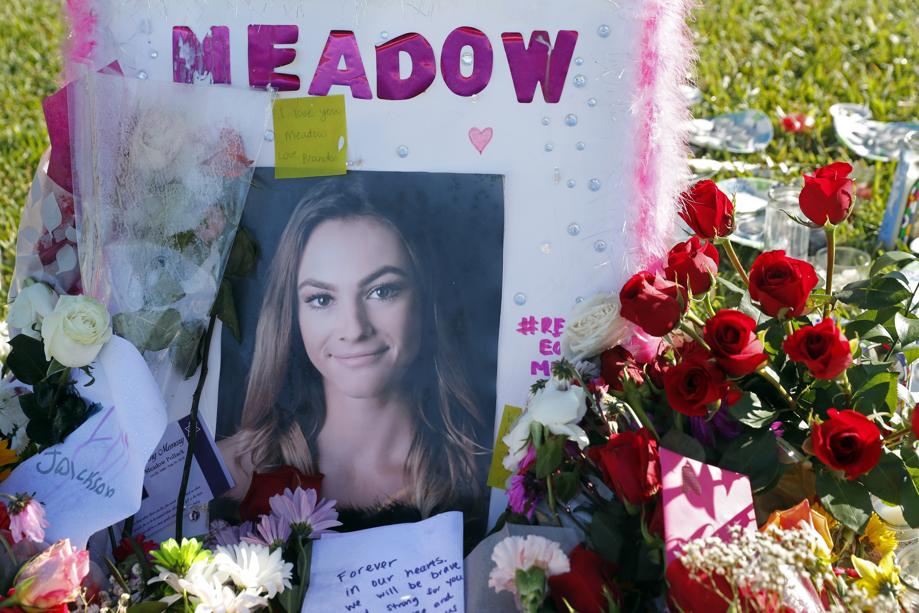
CNN hosted a “Town Hall” meeting on February 21, 2018 in Sunland, Florida where Stoneman Douglas High School students, Republican Florida senator Marco Rubio and NRA Spokesperson, Dana Loesch verbally sparred over gun control and who is to blame for the Parkland shooting. Thousands of people surrounded the stage and shouted down Rubio and Loesch every time they defended the conservative viewpoint on the Second Amendment. This event is consistent with similar displays on the modern college campus, where swaths of far-leftist young adults surround a lone person and shame him publicly for his traditionalist stance, one that’s out of sync with the social Marxist orthodoxy of the times. In Maoist China, this was known as a struggle session and they’re going to continue the more divided our culture becomes.
According to Wikipedia, the definition for a struggle session is the following:
In general, the victim of a struggle session was forced to admit to various crimes before a crowd of people who would verbally and physically abuse the victim until he or she confessed. Struggle sessions were often held at the workplace of the accused, but were sometimes conducted in sports stadiums where large crowds would gather if the target was famous enough.
Lipman, Jonathan Neaman; Harrell, Stevan (1990). Violence in China: Essays in Culture and Counterculture. SUNY Press. pp. 154–157.
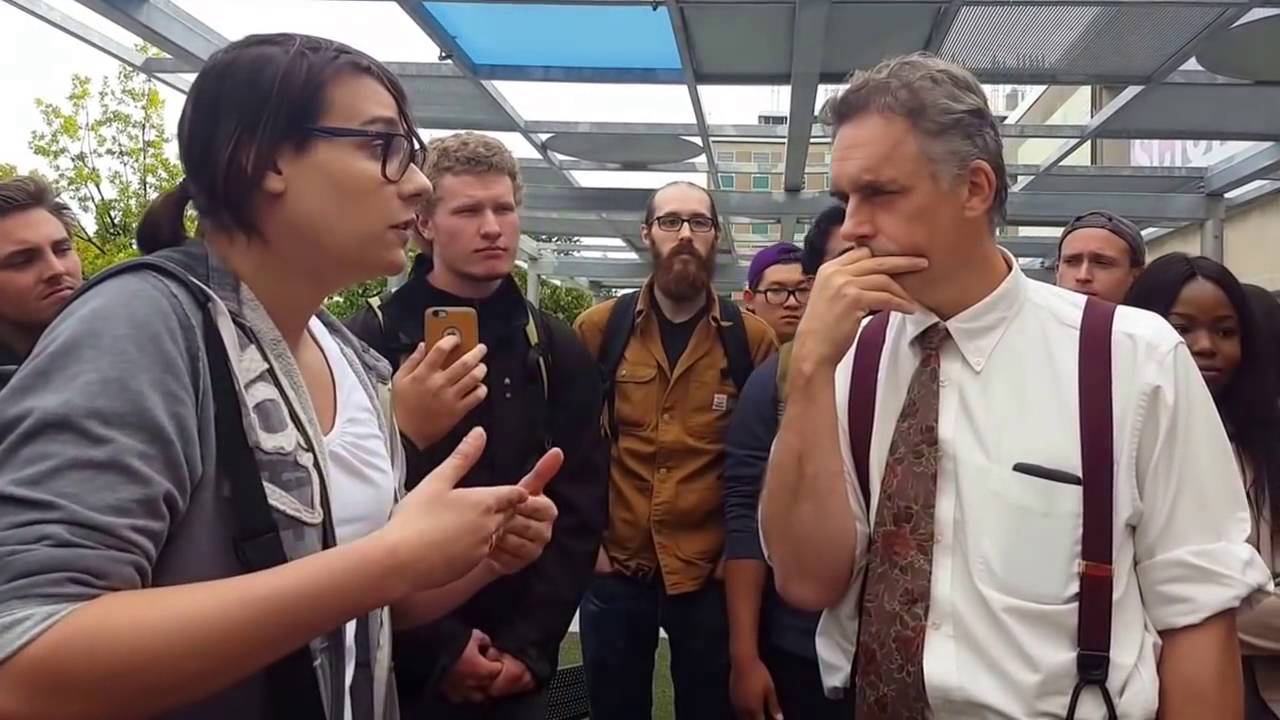
The struggle session has seen a resurgence in the West in recent years, as society has become increasingly divided on issues regarding abortion, same-sex “marriage,” transgenderism, gun control and immigration. In Canada, Professor Jordan Peterson gained international attention for his refusal to refer to transgendered students by their chosen gender pronouns. Peterson has taken fire from the leftist media in Canada for referring to classes that promote these ideas at the University of Toronto, where he teaches, as “indoctrination cults”. In a popular video, Peterson stands alone in a crowd of students who take turns chipping away at him verbally because of his defiance to obey state hate speech laws. He becomes overwhelmed by them towards the end.
(more…)